





Sustainable packaging material: glass or plastic
Summary
- Plastic cans as a durable solution - energy efficient, safe and recyclable
- Advantages of plastic containers
- Hidden Costs of Glass: Environmental Damage and Health Risks
- The challenges of plastic pollution: the contribution of the fishing industry
- Our commitment to sustainability and liability in plastics treatment
Plastic cans as a durable solution - energy efficient, safe and recyclable
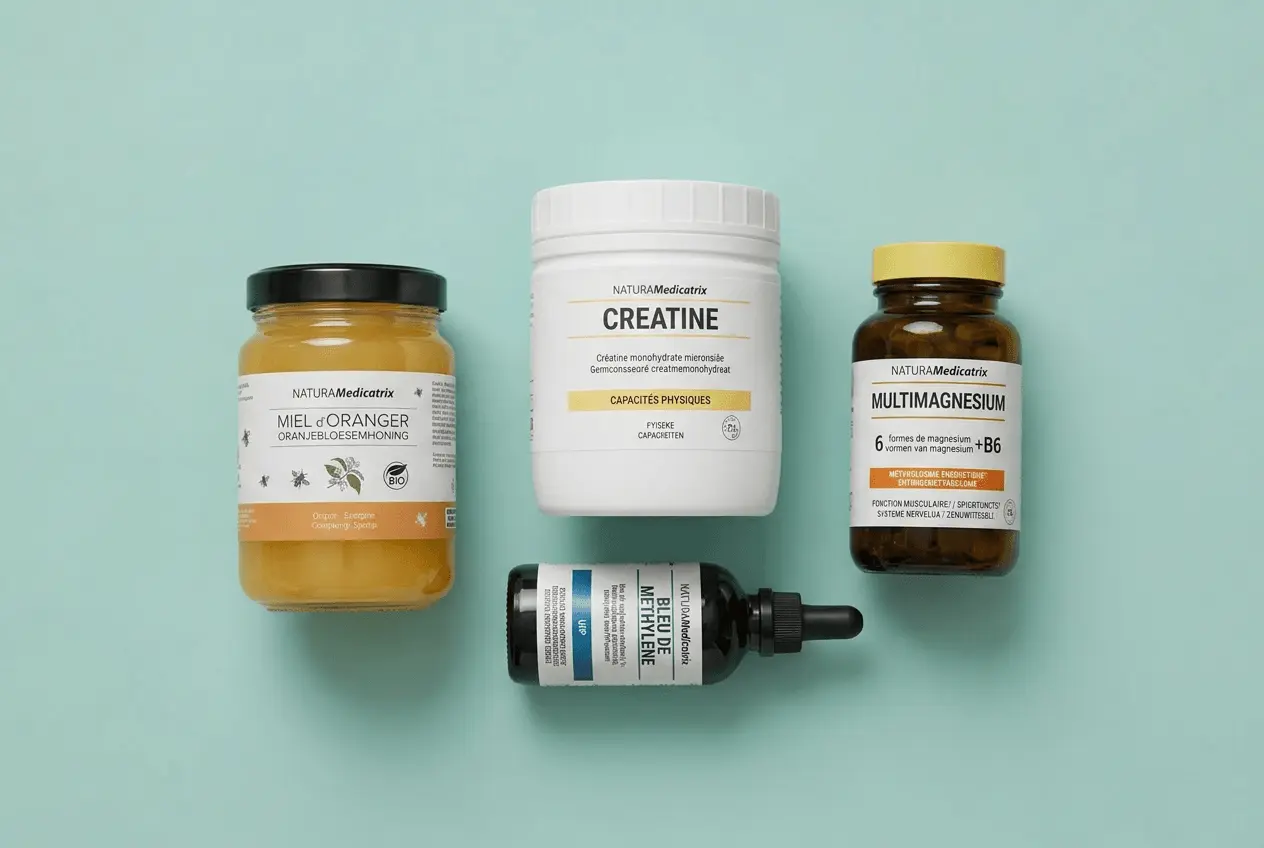
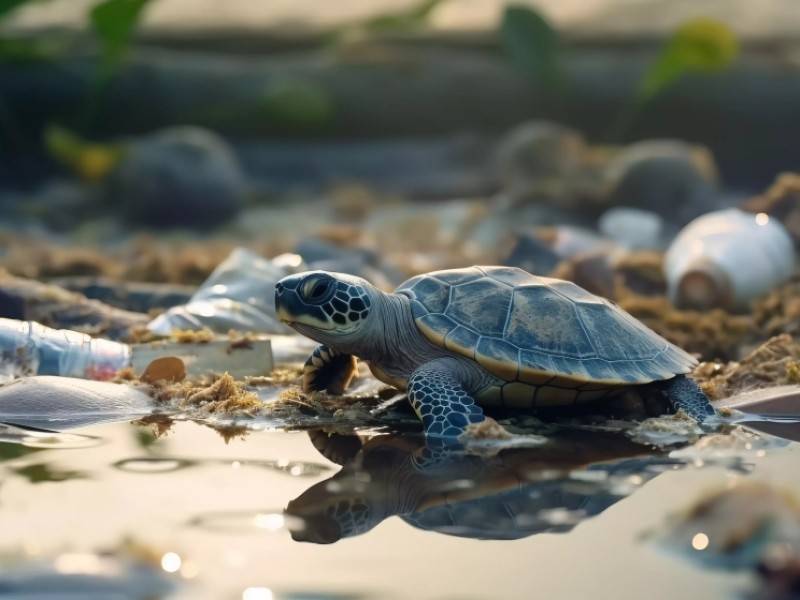
We use plastic cans without BPA or membrane cans for our products because they are more energy efficient to produce and are lighter and safer to carry than the glass. On the other hand, glass production has a significant impact on the environment and health, and its recycling is also very energy greedy. We recognize that the plastic pollution of the oceans is a serious problem. However, much of these plastic waste comes from the fishing industry, according to a study by The Ocean Cleanup. If they are thrown properly into the yellow bag, plastic containers do not end up in the ocean, but are fully recyclable with relatively little energy expenditure.
----
Choosing between glass and plastic as a durable packaging material is a complex issue that highlights both the advantages of plastic cans and the challenges of plastic pollution.
Advantages of plastic containers
Although the glass is often considered more environmentally friendly, studies show that glass bottles have a greater environmental footprint than plastic cans and other packaging materials (Lee, 2023). Here are some reasons why we use plastic cans:
- Energy efficiency: Extremely high temperatures are needed for glass production, resulting in significant energy expenditure. On the other hand, the production of plastic cans require less energy because their melting point is lower.
- Lightness: Plastic cans are significantly lighter than glass, which means that their transport requires less energy. This results in a decrease in CO2 emissions and helps reduce the greenhouse effect.
- Versatility: Plastic pots are available in a variety of shapes, sizes and colors, which makes them ideal for a wide range of applications. They can be easily customized to meet the needs of a specific product or brand.
- Security: plastic containers are unbreakable, making transportation and manipulation safer. The glass, on the other hand, can break and present a potential risk for safety.
- Recycling: Unlike some myths, PET plastic cans can be fully recycled if they are properly thrown into the yellow bag.
- Re-use: You can also recycle our hermetic plastic containers yourself by using them for storage purposes.
Hidden Costs of Glass: Environmental Damage and Health Risks
The exploitation of the quartz sand needed for glass production can cause significant environmental damage, ranging from soil degradation to loss of biodiversity. Studies also show that long-term exposure to silicate dust can present a health risk that can lead to acute silicosis, irreversible lung disease. Although glass containers can be reused several times, they are often treated as single-use products, and single-use glass puts up to a million years to break down into landfills. The production and recycling of glass bottles require a lot of energy.
The challenges of plastic pollution: the contribution of the fishing industry
The demand for fish and seafood is increasing rapidly around the world, while stocks have already decreased enormously. Official income from the seafood market are estimated at $ 624.20 billion in 2023 (Statista, 2023). While the official market is full, a black fish market and seafood is also flourishing, causing additional environmental and economic problems.
This ever increasing demand inevitably leads to increased use of ships and fishing equipment. Result: a drastic increase in plastic pollution in our oceans. A new alarming study of The Ocean Cleanup published in Scientific Reports shows that between 75% and 86% of plastic waste comes from the Great Pacific Garbage Patch (GPGP), a plastic waste zone in the Pacific of the size of Texas. From industrial fishing (2022). ). It should be emphasized that this percentage mainly concerns industrial waste of fishing (nets, etc.) and not household plastic waste, such as plastic cans. There are a total of five waste areas where plastic waste accumulates in the oceans.
But plastic pollution is only the tip of the iceberg. Industrial fishing, especially trawling, has considerable consequences. The use of background trawling destroys the seabed and their inhabitants, including valuable coral reefs of cold water. These reefs offer significant habitats in deep and poor cash regions and serve as a "nursery" for many species of fish. In addition, trawling promotes the release of carbonaceous organic compounds from the seabed, which are converted into NOCIF CO₂ for the climate, contributing to both ocean acidification and the increase in the greenhouse effect. The oceans are the largest CO₂ tanks on Earth. We must not forget the forte proportion of bycatch (80 to 90%) caused by trawling, which causes unnecessary death of young fish, other marine species as well as turtles and dolphins.
The effects and extent of marine plastic pollution are also described in Seaspiracy documentary. Unfortunately, the invisible destruction of the oceans by the fishing industry and its impact on the climate are still largely underestimated.
The really healthy nutrients contained in fish are omega-3 fatty acids, selenium and iodine. Nowadays, you can easily get them from vegan sources. At the same time, you protect the oceans and their inhabitants and you save the large amounts of mercury, dioxins, PCBs and other pollutants concentrated in the fish.
Our commitment to sustainability and liability in plastics treatment
We recognize the challenges that plastic and glass can pose for the environment and we are committed to sustainable practices. The safety of our customers is our absolute priority: which is why all our plastic containers are without BPA and our products do not come into contact with aluminum. Although aluminum is present in some of our membrane cans, we have reduced its proportion as much as technically possible. If there was a viable alternative to our current packaging materials, we will choose it. However, after further analysis, all the alternatives envisaged so far do not represent a real improvement.
The membrane boxes marketed as respectful cardboard boxes of the environment are also covered with a plastic coating, which is why they can not really be recycled. When this is technically possible, we do not use aluminum membrane in the membrane boxes. Overall, membrane boxes are not ideal, but they are practical to use and "relatively" environmentally friendly because few materials are used in production and are lightweight and can therefore be transported with less energy. We continue to look for more environmentally friendly alternatives in the packaging sector, which at the same time maintain the quality of the product optimally and do not significantly increase the price. Unfortunately, it's much more difficult than it seems.
----
Literature:
Lee, C. (April 28, 2023). Glass or plastic: What is the best for the environment? The future of the BBC. https://www.bbc.com/future/article/20230427-glass-or-plastic-which-is-better-for-the-environment
The cleaning of the oceans. (2022, September 1st). More than 75% of the plastic present in the Grand Pacific waste area comes from fishing • Press release • The Ocean Cleanup. https://theoceancleanup.com/press/press-releases/over-75-of-plastic-in-great-pacific-garbage-patch-originates-from-fishing/
Statiste. (2023, Mars). Fish and seafood - Worldwide | Statista market forecasts. https://www.statista.com/outlook/cmo/food/fish-seafood/worldwide